
After an aesthetic treatment, it is natural to want something that makes the skin feel calmer immediately. Harmony Med Spa lists RevivaMask as an exosome recovery mask and offers it in Sarasota around procedures such as microneedling, peels, and laser treatments when the provider considers it appropriate. The most useful way to understand a recovery mask is as one possible part of aftercare—not a guarantee of faster healing, a treatment for complications, or permission to ignore the skin's response. Cooling, hydration, and a protected period of rest may feel supportive, but every procedure creates different temporary changes in the skin. The clinician who performed the treatment should decide what can safely touch the area, how long it should remain, and what comes next.
- What RevivaMask is
- The reasonable role of a recovery mask
- When Harmony may pair it with treatment
- Questions about safety and ingredients
- What happens after the mask comes off
- What a recovery mask cannot do
- When to contact the clinic
- Frequently Asked Questions
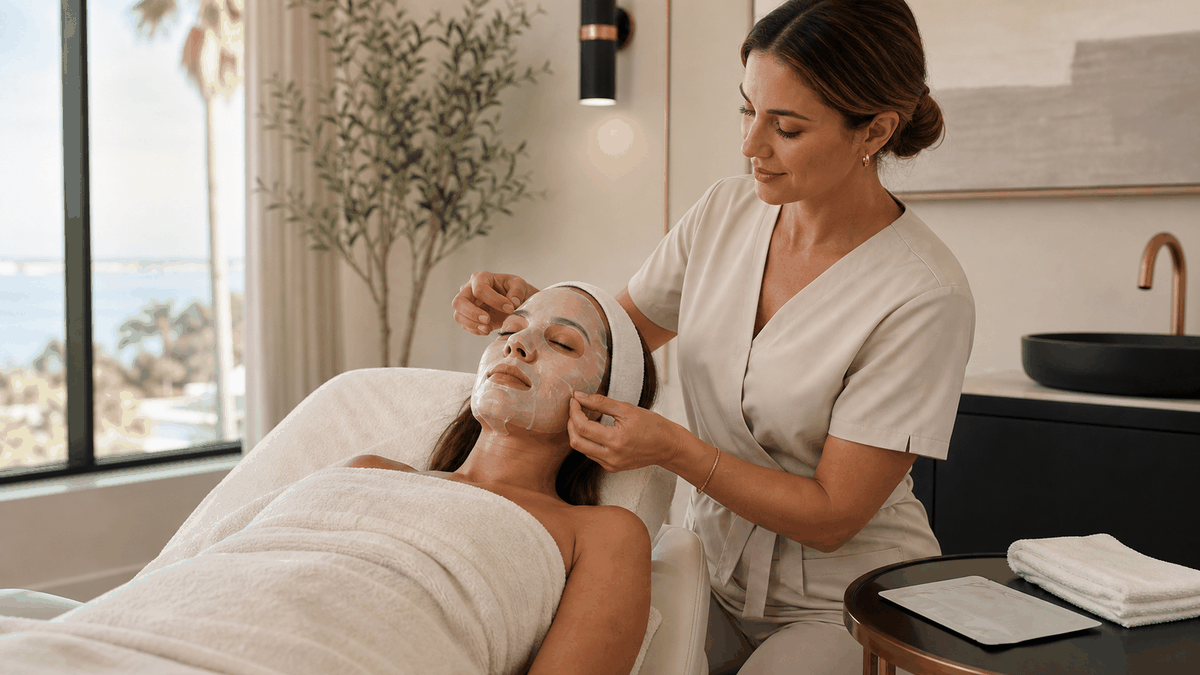
Harmony describes RevivaMask as a compressed sheet mask paired with a solution containing an extracellular-matrix blend and extracellular vesicles, including exosomes. The practice emphasizes its cooling sensation and use as post-procedure support. Those details describe the product and how Harmony uses it, but they should not be translated into a promise that a topical mask regenerates tissue, prevents every side effect, or produces a particular cosmetic outcome. Terms such as repair, rejuvenation, and collagen support are common in aesthetic marketing and need context. Ask to see the current ingredient information, intended use, manufacturer instructions, and any reasons the product would be avoided for you. Formulations and protocols can change, so the product used at your appointment is the source that matters.
A mask can provide a temporary occlusive layer, moisture, and a cooling or soothing experience. That may be welcome after a treatment that leaves the skin feeling warm, dry, or tight. It can also create a quiet transition between the procedure and the trip home, giving the provider time to observe the immediate response. These are supportive functions. The mask does not replace sterile technique during treatment, conservative settings, sun protection, gentle home care, follow-up, or medical assessment when something is wrong. It also does not make every procedure suitable for every patient. If the skin is infected, blistering, unexpectedly painful, or showing another concerning reaction, covering it with a mask is not a substitute for contacting the clinic.
Harmony's service information mentions RevivaMask in connection with RF microneedling, dermarolling, peels, and laser treatments. Whether it belongs after your particular session depends on the exact procedure, treatment depth or intensity, skin condition, allergy history, and the provider's protocol. A mask used after a gentle treatment is not evidence that the same mask is appropriate after a more intensive procedure or at home on freshly treated skin. Ask whether it is an optional comfort add-on or an expected part of the protocol, what it costs, how long it stays on, and what evidence the clinic relies on. A useful answer should separate comfort and hydration from stronger claims about healing or treatment results.
Disclose known allergies, sensitive-skin reactions, eczema, active acne lesions, cold sores, infection, pregnancy or breastfeeding, immune conditions, and medications that affect healing. Ask where the product is manufactured, whether the pouch is single use, how it has been stored, and whether the provider can share the ingredient list. A history of reacting to sheet masks or botanical ingredients is relevant even if the treatment itself went well. The words exosome or growth factor do not tell you everything about sourcing, processing, concentration, stability, or topical performance. They also do not replace product-specific safety information. If the explanation relies only on dramatic before-and-after promises, slow down and ask for the intended cosmetic role in plain language.
The clinic should provide written aftercare for the underlying procedure. That may include a gentle cleanser, bland moisturizer, strict sun protection, temporary avoidance of heat, exercise, swimming, makeup, exfoliants, retinoids, or other active products. The details and timing vary, so procedure-specific instructions override general blog advice. Do not use leftover liquid, another sheet mask, essential oils, or a new serum on treated skin unless the provider approves it. Keep hands, pillowcases, towels, and devices that touch the face clean. The skin may look pink or feel tight for an expected period, but the clinic should define that window. Take a clear photo and call if the reaction looks different from what was explained.
Call the treating clinic when pain is significant or increasing, redness spreads rather than settles, swelling is severe, blisters or open areas develop, drainage or fever appears, vision changes occur, or you suspect an allergic reaction. Follow any emergency instructions provided. Do not wait for a scheduled follow-up simply because a mask initially felt soothing. For milder uncertainty, a photo and brief description of timing can help the team decide whether the response is expected. Before leaving the appointment, confirm the best phone number for after-hours questions and what deserves urgent evaluation. Clear escalation instructions are part of responsible aftercare. A product should never create false reassurance when the skin is signaling that it needs assessment.
If you are considering RevivaMask at Harmony Med Spa, ask about it while discussing the primary procedure rather than treating it as a stand-alone cure. The useful questions are simple: Why is it appropriate for my skin today? What comfort or cosmetic benefit is reasonably expected? What is uncertain? What is the added cost? What does my home routine look like afterward? That conversation allows a recovery mask to stay in its proper role—as an optional supportive step inside a broader, professionally managed plan. Good aftercare is not defined by the number of products applied. It is defined by clean technique, restraint, protection, written instructions, access to the treating team, and a willingness to respond promptly when healing does not follow the expected course.
1. What is RevivaMask?
Harmony describes RevivaMask as a compressed recovery sheet mask with an extracellular-matrix solution that includes extracellular vesicles such as exosomes. Ask for the current product and ingredient information at your visit.
2. Does RevivaMask speed healing?
A cooling, hydrating mask may support comfort, but it should not be treated as a guarantee of faster healing or a replacement for procedure-specific aftercare and follow-up.
3. Can RevivaMask be used after microneedling or laser treatment?
Harmony lists it around microneedling, peels, and laser treatments. Suitability depends on the exact procedure, skin, product, and clinician's protocol.
4. Can I use another sheet mask at home afterward?
Do not apply an unapproved mask or new product to freshly treated skin. Follow the written aftercare from the clinician who performed your procedure.
5. Is an exosome mask the same as an injection?
No. RevivaMask is described as a topical sheet-mask product. Route of application, formulation, intended use, evidence, and risks are product specific.
6. What symptoms after treatment should prompt a call?
Increasing pain, spreading redness, severe swelling, blistering, drainage, fever, vision changes, or signs of allergy deserve prompt contact with the treating clinic or urgent care as directed.
Ask about treatment aftercare with Harmony Med Spa in Sarasota.